![New Industry Creation Hatchery Center[NICHe]](../img/common/niche_en.svg)
Applied Oxygen Physiology Project
 ProfessorNorio Suzuki
Research Overview
Because oxygen is essential for cellular energy production, lack of oxygen (hypoxia) leads to life-threatening situations. Therefore, oxygen supply and utilization (metabolism) are strictly regulated with the respiratory and circulatory systems. Even under oxygen-replete conditions, disorders in oxygen metabolism often lead to the formation of reactive oxygen species and derivative substances that can damage cells and organs. We have shown that regulatory mechanisms of oxygen metabolism are involved in the onset and progression of a variety of diseases. In this project, we aim to develop medicines against diseases and aging that are related to oxygen metabolism.
Research Features
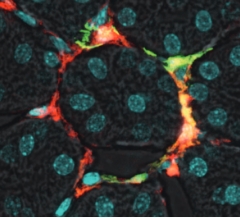
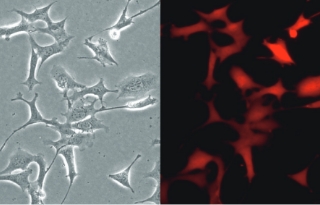
Lack of red blood cells (anemia), which are necessary to oxygen delivery from the lungs to peripheral tissues, results in systemic hypoxia. We are investigating the effects of hypoxic stress caused by anemia on the body, using a genetically modified mouse line that we have established to reduce production of the red blood cell growth factor (EPO). Because EPO is produced in the kidneys, kidney disease is often associated with anemia. To treat EPO-deficiency anemia, EPO agents and drugs that induce EPO production are used. In this project, we are elucidating the mechanism of action and effective usage of these agents through studies using the anemic mice. We are also exploring and identifying therapeutic agents for kidney disease by using originally established cell lines from the key cells in the pathogenesis (see figure). By introducing a new perspective on oxygen metabolism, we will be able to develop innovative medicines through understanding molecular pathology of kidney disease and anemia.
Expected Outcomes and Developments
Kidney disease affects more than 10% of the world's population, but it is an intractable disease for which there is no cure. In addition, kidney disease is recognized as a social problem in most countries because it requires expensive medical treatment such as hemodialysis. Recently, we have shown how kidney disease causes a decrease in EPO production and the development of anemia. We also found that hypoxic stress caused by anemia is a predisposing factor for various diseases. In this project, we aim to contribute to medical treatment by understanding pathological conditions at the molecular level, making full use of the analysis system for kidney disease and anemia that we have developed originally. We will also develop original animal models, cell lines and cell culture systems, which will be used for collaborations with pharmaceutical companies and others. The research outcomes obtained through this project will be deployed in innovative medical technology and drug development to solve social and economic problems.
Repic cell line, which is a cultured cell line established from mouse “REP (renal EPO producing) cells” are available to develop medicines targeting oxygen metabolism.
Mouse kidney with glowing REP cells that produce EPO in the kidney. REP cells glow red and green due to genetic modification.